
The Concept of Luck in Gambling
Luck is often perceived as an enigmatic force that can significantly impact outcomes in various facets of life, including gambling. In casinos and betting scenarios, players frequently attribute their fortunes—whether winning or losing—to luck. This perspective fosters the belief that success is merely a matter of chance, encapsulated in a roll of the dice or a flip of a card. For those seeking an exciting experience, online casino fast withdrawal uk options can enhance the thrill of gameplay. However, the concept of luck is multifaceted and can differ vastly among individuals, shaped by their personal beliefs, past experiences, and gambling strategies.
Different types of gambling, such as slot machines, blackjack, and poker, showcase varying degrees of reliance on luck. Slot machines, for example, are entirely chance-based games where the results are dictated by random number generators, leaving little room for player skill. In contrast, games like poker blend elements of luck with strategic decision-making. Here, the ability to read opponents and assess situations can significantly influence outcomes. Analyzing these distinctions is crucial to understanding the nuanced role of luck in gambling.
Moreover, many gamblers engage in rituals or superstitions that further highlight the psychological dimensions of luck. These behaviors can range from wearing “lucky” clothing to performing specific actions before placing bets. Such rituals illustrate that while luck may seem beyond one’s control, individuals often seek ways to influence it through their mindsets and beliefs. This interplay between psychological factors and the randomness inherent in gambling outcomes presents an intriguing dynamic that merits deeper exploration.
The Role of Skill and Strategy
Though luck undeniably plays a significant role in gambling, skill and strategy are equally pivotal, especially in games where decision-making directly influences the outcome. Players who invest time in mastering the intricacies of games like blackjack or poker often find that they can enhance their chances of winning, thereby countering the inherent randomness associated with luck. Knowledge of effective strategies can reduce the house edge, empowering skilled players to navigate challenging situations with greater success.
In poker, for instance, a player must not only understand the game mechanics but also develop the ability to read their opponents and manage their bankroll effectively. Many successful poker players emphasize the importance of patience and discipline over sheer luck. The combination of strategic thinking, emotional control, and risk management becomes vital for sustained success, illustrating how skill can mitigate the often unpredictable influence of luck.
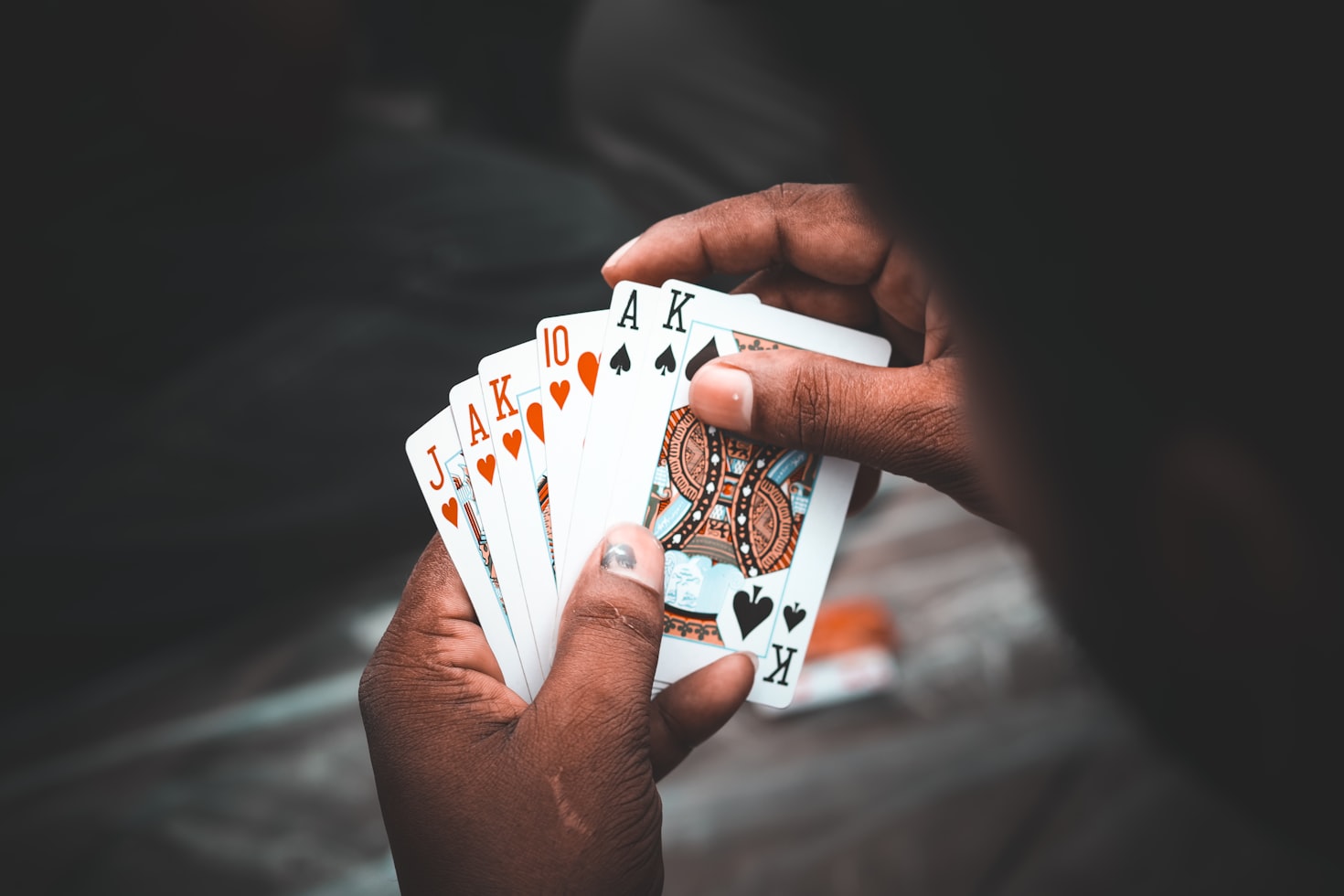
Furthermore, grasping the probabilities involved in various games can significantly enhance a player’s prospects. By recognizing the odds of different outcomes, gamblers can make informed decisions about when to place bets and how much to wager. This analytical approach is particularly beneficial in games like roulette or sports betting, where a solid understanding of probabilities can steer players toward more strategic choices, moving away from reliance on luck alone.
The Impact of the Gambling Environment
The environment in which gambling takes place can also shape the role of luck and overall success. Factors such as location, the type of casino, and even the time of day can influence how luck is perceived and experienced. For example, some players believe that certain casinos have “hot” or “cold” tables, where the chances of winning seem to fluctuate based on the atmosphere. This belief can create psychological barriers that enhance the perception of luck, ultimately affecting how players engage with their games.
Additionally, the social dynamics present within a casino can contribute significantly to the perception of luck. Gamblers often draw energy from one another, leading to a collective belief in the presence of luck. The excitement in the air, the cheers from fellow players, and the overall ambiance can create an electrifying sense of possibility, influencing individual outcomes and shaping the gambling experience. These factors converge to create a unique blend of luck and environment that can either propel a player toward success or contribute to their losses.
Moreover, the rise of online gambling has introduced new variables that challenge traditional views on luck. Virtual casinos operate based on random number generators, which some players find makes it difficult to perceive the influence of luck in this digital landscape compared to traditional settings. The online gambling experience often isolates players from the communal energy that can amplify feelings of fortune, prompting an examination of how these environments shape gamblers’ beliefs regarding luck and success.
Psychological Factors and the Illusion of Control
The psychology behind gambling is a captivating area of study that sheds light on the belief in luck. Cognitive biases, such as the illusion of control, can lead players to feel they have more influence over outcomes than they actually do. For instance, a player who believes they can “control” the outcome of a game by employing specific strategies may continue to gamble, fueled by a false sense of confidence. This psychological phenomenon often results in increased betting, ultimately skewing the relationship between luck and success.

Another cognitive bias prevalent in gambling is the “gambler’s fallacy,” where individuals mistakenly believe that past outcomes can influence future results. For example, a player might think that if a particular number hasn’t appeared recently in roulette, it is “due” to come up shortly. This misinterpretation of probability can lead to misguided betting strategies, demonstrating how psychological factors can cloud judgment and impact perceived luck. Such cognitive biases highlight the extent to which the mind can manipulate perceptions of luck in gambling, ultimately affecting success rates.
Lastly, resilience plays a crucial role in how gamblers perceive luck. Players who maintain a positive outlook and recover quickly from losses tend to attribute their eventual successes to luck rather than their skills or strategies. This mindset enables them to continue engaging with gambling, fostering a belief that winning is possible based solely on luck. Understanding these psychological aspects provides deeper insights into the gambling experience and illustrates how intertwined luck, perception, and success can be.
Conclusion: Navigating Luck and Skill in Gambling
In conclusion, luck undeniably holds a significant place in gambling; however, it is not the sole determinant of success. A comprehensive understanding of the dynamics between luck, skill, strategy, and psychological factors enriches our view of the gambling experience. While certain games are primarily based on chance, others afford skilled players the opportunity to exert influence over outcomes through informed decision-making and strategic play.
As individuals navigate the complex landscape of gambling, recognizing the interplay of these various elements is essential. The belief in luck can serve as a motivating factor, generating excitement and anticipation; however, it should never overshadow the importance of skill and strategy. Ultimately, successful gambling requires a delicate balance between embracing the unpredictable nature of luck and honing one’s skills to ensure an enjoyable and potentially rewarding experience.
For those eager to deepen their understanding of gambling dynamics, numerous resources are available that provide invaluable insights and strategies. Educating oneself about different games, probabilities, and psychological influences can significantly enhance the overall gambling experience. By integrating the concepts of luck with informed strategies, players can approach their gaming endeavors with heightened confidence and an improved sense of control.